
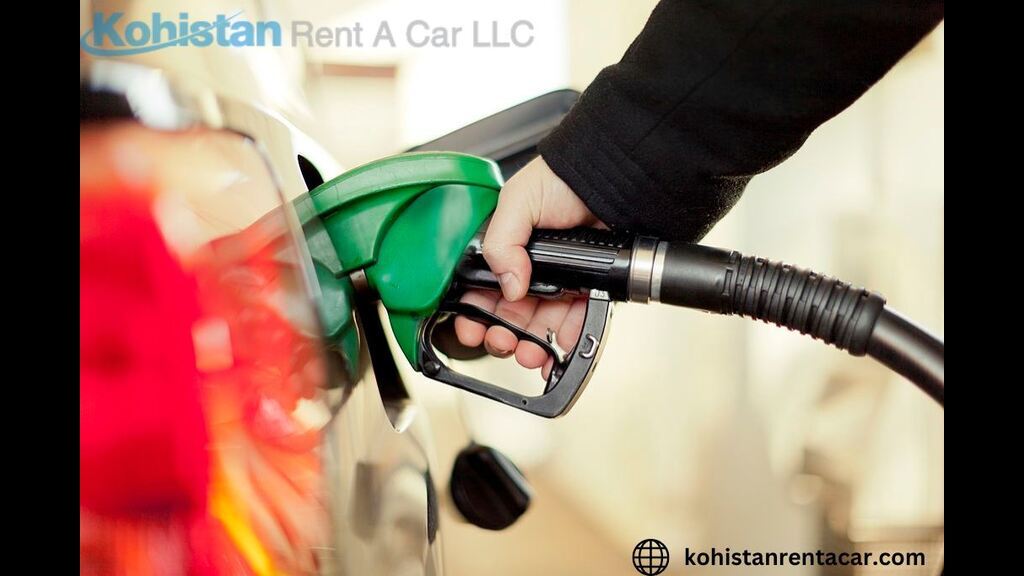
Petrol prices in the UAE have always been a talking point. They’re relatively affordable compared to much of the world, but that doesn’t mean you want to burn through a full tank every two days — especially when you’re renting a car and already managing daily rental costs on top of everything else.
Whether you’ve opted for a budget rent a car in Dubai or you’re driving something a little more premium, the way you drive and maintain the vehicle makes a bigger difference to fuel consumption than most people realize. Small habits — some of them almost effortless — can genuinely stretch your tank further and save you a decent amount over the course of a week or a month.
Here are practical, proven fuel saving tips UAE drivers and visitors actually use.
Take It Easy Behind the Wheel
Everyone has that moment — the road opens up, the car feels good, and suddenly you’re pushing 140 on a stretch that calls for 120. It’s understandable. But aggressive driving is one of the fastest ways to drain a fuel tank.
When you accelerate hard, the engine works harder. More work means more fuel burned — it’s that simple. The same goes for braking suddenly. Every time you stomp the brakes, you’re throwing away the kinetic energy the engine worked to build. Then you accelerate again to get back to speed, burning more fuel in the process.
The fix is straightforward: leave more space between yourself and the car ahead, ease off the accelerator earlier when you see a red light or slowdown ahead, and let the car coast where you can. On Dubai’s highways, cruise control is genuinely useful — it keeps your speed steady and eliminates the small fluctuations that quietly eat into your mileage.
Smooth driving doesn’t just improve car mileage. It’s also less stressful, easier on the car, and honestly makes the whole experience more comfortable.
Avoid Carrying Excess Weight
This one sounds obvious, but it’s easy to overlook — especially when you’re using a rental car like a moving base during a longer trip.
Extra weight puts more load on the engine. The heavier the car, the harder the engine has to work to move it, which directly increases fuel consumption. It works the same way as carrying a heavy backpack — your body burns more energy with the extra load, and so does the engine.
If you’ve been storing luggage, equipment, or supplies in the boot for days, take out whatever you don’t need for that drive. Even reducing the load by 20 to 30 kilograms can make a noticeable difference over several days of driving. It’s one of the easiest and most overlooked fuel saving tips UAE renters can apply without spending a single dirham.
Check Your Tyres Before You Drive
Tyre pressure is one of those things most drivers never think about — until something goes wrong. But here’s the thing: even slightly underinflated tyres increase rolling resistance, which means the engine has to push harder to keep the car moving. That directly reduces fuel economy.
For rental cars specifically, you can’t always be sure the tyres were checked before your pickup. Many rental agencies maintain their fleets well, but it’s always worth a quick visual check. If a tyre looks noticeably low, flag it with the company before you drive off.
Most petrol stations in Dubai have free air pumps. Checking and correcting tyre pressure takes about five minutes and can improve your fuel efficiency by anywhere from 1% to 3% — which adds up over a full rental period.
The correct pressure for your rental car is usually listed on a sticker inside the driver’s door frame. Match that, not the maximum pressure printed on the tyre itself.
Don’t Let the Engine Idle Unnecessarily
Sitting in a parked car with the engine running feels harmless. But idling burns fuel without moving you anywhere — which is about as inefficient as driving gets.
If you’re waiting for someone and you know it’ll be more than a minute or two, switch the engine off. Restarting a modern car uses far less fuel than letting it idle for several minutes. This is a widely confirmed point — engineers and automotive experts consistently note that idling for over 60 seconds burns more fuel than a restart would.
This also applies to how you start the car in the morning. Some drivers rev the engine or accelerate hard right after starting, thinking it warms up the engine faster. Modern engines don’t need that. They’re designed to warm up while driving normally. Aggressive acceleration from a cold start just burns extra fuel and adds unnecessary wear.
Use the Air Conditioner Wisely
In Dubai, turning off the AC entirely isn’t a realistic option for most of the year. Summer temperatures regularly push above 40°C, and driving without air conditioning isn’t just uncomfortable — it’s unsafe in extreme heat.
But there’s a middle ground that helps you reduce fuel consumption without suffering.
In slow, stop-and-go city traffic, the AC compressor puts a noticeable load on the engine. If you’re moving at low speed and the outside temperature is manageable — early morning or late evening, for example — turning the AC to a lower setting or briefly switching it off can ease that load.
On the flip side, when you’re driving at higher speeds on the highway, keep the windows up and the AC running. Rolling the windows down at 100+ km/h creates aerodynamic drag that actually costs more fuel than the air conditioner does. At high speed, the AC is the more efficient option.
The general rule: AC on with windows up at high speeds. Lower AC settings or brief breaks from it in slow traffic.
Plan Your Route Before You Leave
This one gets overlooked because it feels more like life advice than a driving tip — but route planning genuinely affects how much fuel you use.
Dubai’s traffic can be unpredictable. A route that looks quick on the map can turn into a 45-minute crawl if you hit the wrong stretch of Sheikh Zayed Road at the wrong time. Stop-and-go traffic is one of the worst conditions for fuel economy because the engine is constantly working with no momentum to carry the car forward.
Before heading out, check Google Maps or Waze for traffic conditions and choose routes that keep you moving at a steady pace, even if they’re slightly longer in distance. A longer route at consistent speed almost always beats a shorter route through heavy congestion when it comes to fuel consumption.
Also — combine errands where you can. Multiple short trips from a cold start burn significantly more fuel than one continuous trip covering the same ground.
Choose the Right Fuel for Your Rental
When you fill up a rental car, always check what grade of petrol the vehicle requires. In the UAE, ADNOC and ENOC stations offer Special 91 octane, Super 95 octane, and Premium 98 octane.
Most economy and mid-range rental cars run perfectly well on Special 91. Using a higher grade than the car actually needs doesn’t improve performance or efficiency — it just costs more. On the other hand, if the car requires Super 95 and you fill it with 91, you could trigger engine knock, which actually reduces efficiency and can cause longer-term damage.
The fuel requirement is usually listed on a sticker near the fuel cap or in the handover documents. When in doubt, ask the rental company. Using the right fuel is one of those simple fuel saving tips UAE drivers often skip simply because nobody told them it mattered.
Drive in the Right Gear at the Right Time
If you’re driving a manual rental car — less common in Dubai but still available — gear selection plays a direct role in fuel economy. Driving in too low a gear at higher speeds forces the engine to rev unnecessarily, burning more fuel. Shift up as early as the engine comfortably allows.
For automatic cars, which make up the majority of rental fleets in Dubai, avoid using Sport mode or manual paddle-shift options during city driving unless you actually need the extra response. These modes keep the engine in lower gears longer, which costs fuel. Stick to Drive mode for everyday use and let the transmission do its job.
Consider a Fuel-Efficient Rental from the Start
All of the above tips help regardless of what you’re driving. But if you’re still in the booking stage and saving on petrol is a priority, the vehicle choice itself makes a significant difference.
Some of the most fuel-efficient rental cars widely available in Dubai include:
Toyota Yaris — delivers around 20.5 km/L, excellent for city and highway driving. Nissan Sunny — practical, spacious, and well-suited to UAE conditions with strong economy figures. Toyota Corolla Hybrid — one of the best choices for longer drives, combining hybrid efficiency with everyday practicality. Mitsubishi Attrage — a popular budget option with solid mileage figures for its class.
If you’re doing a lot of highway driving — say, regular trips between Dubai and Abu Dhabi — a hybrid or high-efficiency sedan will save you noticeably more than a standard SUV over the same distance.
Frequently Asked Questions
What is the best way to improve car mileage on Dubai highways?
Maintain a consistent speed between 100 and 120 km/h, use cruise control where available, and avoid heavy braking. Steady highway driving gives most cars their best fuel economy figures.
Does using AC always reduce fuel economy in the UAE?
Yes, but the impact depends on your speed. At low speeds in traffic, AC does add engine load. At highway speeds, keeping windows closed and running the AC is actually more efficient than the drag caused by open windows.
How much can fuel saving tips actually save in the UAE?
Combining good driving habits — smooth acceleration, correct tyre pressure, reduced idling, and smart AC use — can improve fuel efficiency by 15% to 20%. Over a week-long rental with daily driving, that’s a meaningful saving.
Is it cheaper to fill up before returning a rental car in Dubai?
Yes. Petrol stations near rental return locations sometimes charge slightly higher rates. Fill up a few kilometres before you return the car rather than right at the closest station to the depot.
Fuel efficiency isn’t about driving slowly or being overly cautious. It’s about driving smart. The habits covered here don’t require any extra effort after the first day or two — they just become part of how you drive. And when you’re renting a car in Dubai for a week, two weeks, or a full month, the savings on petrol add up in a way that makes a real difference to your overall travel budget.